Where Can I Find Resources to Improve My LinkedIn Profile for My Job Search? The Complete LinkedIn Resource Guide
Most people think LinkedIn is something they only need to update when they are launching a job search.
They dust off their profile. Add a few accomplishments. Upload a newer headshot. Start applying.
Then, once the job search is over, they disappear.
I see LinkedIn differently.
As a former Fortune 50 Hiring Manager and Master Professional Career Coach, I've watched professionals land interviews, receive referrals, secure speaking opportunities, build strategic relationships, and uncover career possibilities because they were visible before they needed something.
I've also watched incredibly talented professionals get overlooked because they assumed their work would speak for itself.
LinkedIn is not simply an online résumé.
It's a professional visibility platform.
People are forming impressions before they ever meet you.
Recruiters.
Hiring managers.
Potential clients.
Future collaborators.
Industry leaders.
Board members.
Conference organizers.
The good news? You don't need to spend hours every day on LinkedIn to benefit from it. You simply need to focus on the right things.
If you're wondering where to find resources to improve your LinkedIn profile, you're in the right place.
This article serves as my central LinkedIn resource hub and includes my favorite resources, tools, strategies, and podcast episodes to help you strengthen your professional presence and create more opportunities.
Whether you're actively searching for a job, preparing for future growth, or simply wanting your online presence to better reflect your expertise, you'll find practical guidance to help you get started.
Your LinkedIn Presence Is Already Talking
Before every interview, networking event, volunteer opportunity, board appointment, speaking engagement, or professional introduction, there is a good chance someone will look you up online.
Not because they're judging you.
Because they're curious.
They want context. They want to understand who you are, what you've accomplished, and whether there is a potential connection worth pursuing.
Many professionals assume LinkedIn only matters when they're actively searching for a new role. In reality, LinkedIn plays a role throughout your career.
It helps people discover you.
It helps people understand you.
It helps people remember you.
Your LinkedIn presence often introduces you before you introduce yourself.
The question isn't whether people are looking at your LinkedIn profile.
The question is what they're learning when they do.
Resource #1: Fix Your LinkedIn Billboard First
One of the biggest mistakes I see professionals make is jumping straight into posting content before they've optimized the basics.
Before you worry about networking, content creation, or increasing visibility, make sure your LinkedIn billboard is working for you.
Your billboard consists of the elements people notice within seconds of visiting your profile.
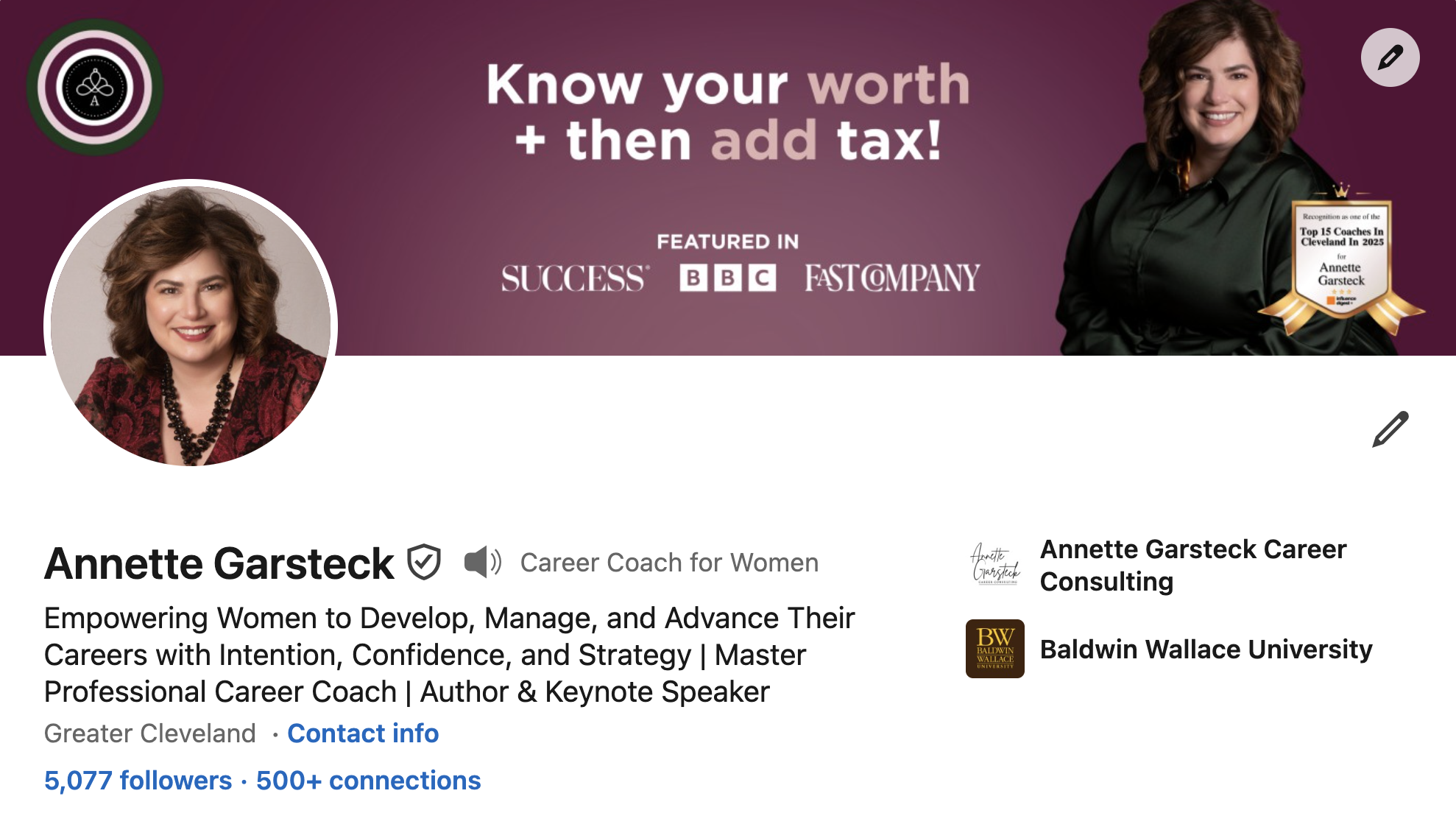
Your Profile Photo
Your profile photo is often your first introduction.
Use a current, professional image that reflects who someone will actually meet in person.
This doesn't necessarily mean you need a new formal studio portrait. It does mean your image should be clear, approachable, and professional.
If you're using AI tools to enhance your photo, use them carefully. Your profile should introduce the person who will walk into the meeting, not a version of you that doesn't exist.
Your Banner Image
Most professionals leave valuable real estate blank.
Your banner image should reinforce your professional identity.
It can highlight your organization, industry, leadership involvement, expertise, certifications, speaking engagements, or professional interests.
A well-designed banner immediately communicates additional context about who you are and what matters to you.
Canva is one of my favorite tools for creating simple, professional banner images.
Your Headline
Your headline is one of the most visible pieces of professional real estate you own online.
It follows you everywhere on LinkedIn.
Every time you comment, react, connect, share content, or send a message, your headline appears alongside your name.
Most people simply list a job title.
Instead, think about how you want to position yourself professionally.
What strengths do you bring?
What expertise do you offer?
What results do you help create?
Your headline should answer those questions.
Your Location
LinkedIn is a search platform.
Using a larger metropolitan area rather than a smaller suburb can improve your visibility in searches.
For example, "Greater Cleveland, Ohio" creates more visibility than a suburb that may not be familiar to someone recruiting nationally.
Your Connections
One of my favorite LinkedIn goals is helping professionals intentionally build toward 500+ connections.
This isn't about collecting strangers.
It's about building a professional ecosystem that reflects your career, interests, community involvement, and aspirations.
Before posting a single piece of content, optimize your billboard.
Resource #2: Download The LinkedIn Visibility + Impact Checklist
A few years ago, I realized many professionals were overcomplicating LinkedIn.
They were stressing about algorithms.
Worrying about posting schedules.
Obsessing over engagement numbers.
Meanwhile, they were overlooking the fundamentals that actually influence visibility and credibility.
That's why I created the LinkedIn Visibility + Impact Checklist.
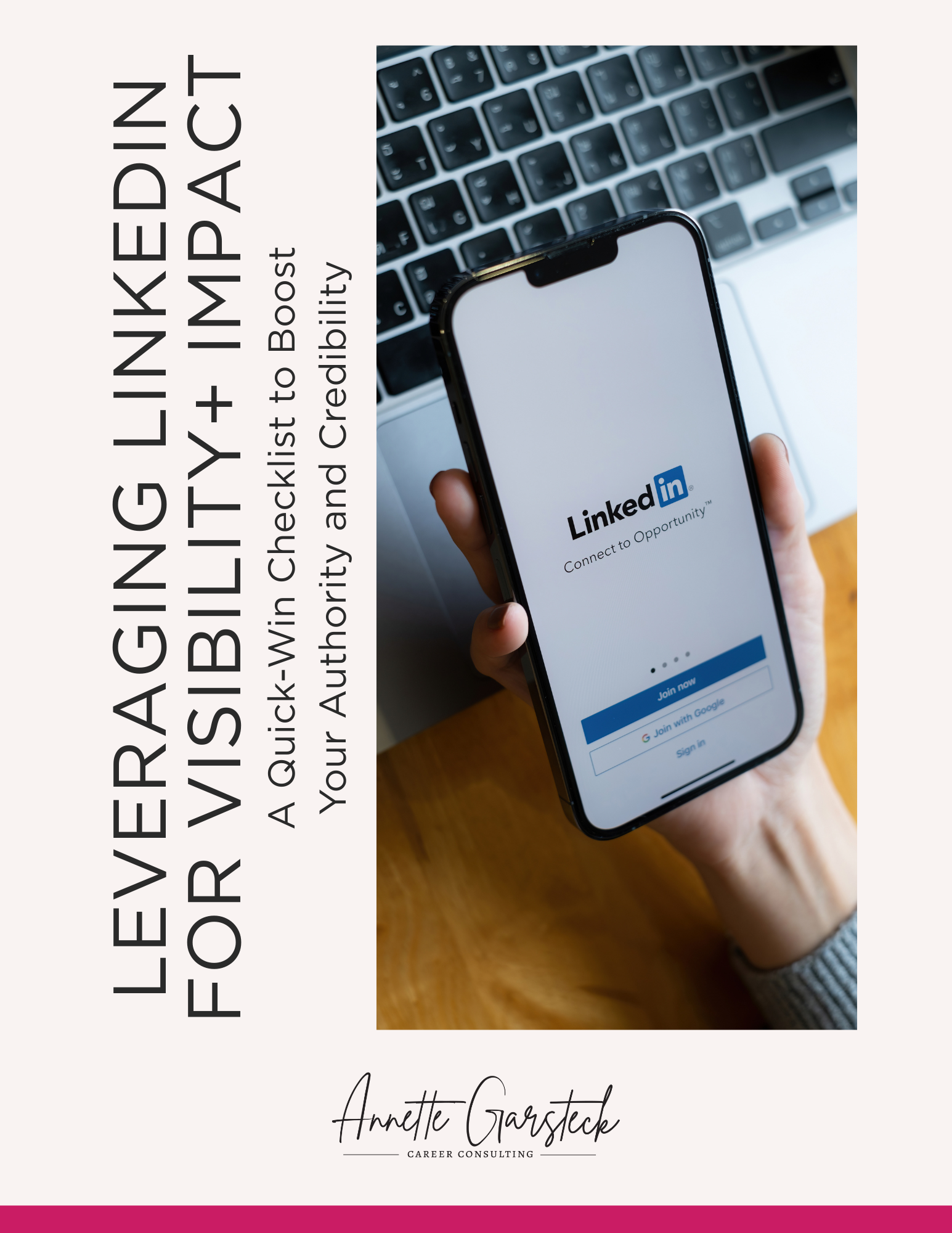
It's designed to help professionals focus
on the right things without becoming overwhelmed.
Be Findable
Start with the basics.
Review your visibility settings.
Make sure your profile is public.
Strengthen your About section.
Update your headline.
Complete your experience section.
If people can't find you, opportunities can't find you either.
Get Visible
Visibility doesn't require posting every day.
In fact, some of the most effective LinkedIn users spend more time engaging than publishing.
Thoughtful comments.
Strategic reposts.
Meaningful conversations.
These activities often create more visibility than posting content into the void.
Make an Impact
LinkedIn works best when it's used as a relationship-building tool.
Celebrate promotions.
Recognize accomplishments.
Support colleagues.
Reconnect with people you haven't spoken with in a while.
Visibility grows when you contribute to your professional community.
Avoid Common Mistakes
Many professionals unintentionally limit their visibility by:
Being difficult to contact
Ignoring the Skills section
Leaving important profile sections incomplete
Avoiding groups and communities
Assuming less information is better
The checklist walks you through each of these areas step by step.
Resource #3: Networking Isn't Collecting Strangers
One of the biggest reasons professionals dislike LinkedIn is because they've been taught to think about networking the wrong way.
Networking is not:
Collecting connections
Asking strangers for favors
Pitching people immediately
Showing up only when you need help
Networking is establishing and nurturing connections with others.
That's it.
Some of the strongest professional relationships begin with something simple:
A congratulations message.
A thoughtful comment.
A shared article.
A follow-up after an event.
A note recognizing someone's accomplishment.
Professional relationships grow through consistency, not urgency.
When I wrote Own Your Career, I defined networking as establishing and nurturing connections with others. That definition removes much of the pressure people associate with networking and replaces it with something more meaningful: relationship building.
The strongest networks are built long before they're needed.
Resource #4: Develop a Healthy LinkedIn Habit
One of the conversations Sandra Wint and I recently had on Exposing the Hidden Reality centered around a simple question:
Can you develop a healthy LinkedIn habit?
The answer is absolutely yes.
The key is approaching LinkedIn with intention.
I usually check LinkedIn in the morning.
I check again later in the day.
That's it.
I'm not spending hours scrolling.
I'm not consuming endless content.
I'm not treating LinkedIn like entertainment.
I'm treating it like a professional tool.
When you log in, ask yourself:
Why am I here?
Am I learning?
Building visibility?
Strengthening relationships?
Supporting someone in my network?
When you have a purpose, LinkedIn becomes significantly more valuable.
Try the 5-5-5-5 Method
If you're looking for a simple place to start growing your network, try this approach:
In 5 minutes 5 days a week…
Connect with 5 existing contacts
Find 5 new contacts
These activities take only a few minutes each day.
Over time, they create momentum, visibility, and stronger professional relationships.
Small actions repeated consistently often outperform occasional bursts of activity.
Resource #5: Learn From These LinkedIn Podcast Episodes
If you enjoy learning while walking, driving, exercising, or commuting, these two episodes of Exposing the Hidden Reality expand on many of the ideas discussed in this article.
Episode 037: Leadership Visibility Starts Here: Using LinkedIn With Intention
In this conversation, Sandra and I discuss:
Developing healthy LinkedIn habits
Building visibility intentionally
Professional presence
Leadership visibility
Creating sustainable engagement practices
If LinkedIn feels overwhelming or time-consuming, this episode will help you simplify your approach.
Listen to Episode 037: Leadership Visibility Starts Here: Using LinkedIn With Intention
Episode 038: Why We Still Love LinkedIn: A Better Way to Network, Learn, and Grow
LinkedIn has evolved dramatically over the years.
In this episode, we discuss:
How LinkedIn has changed
Why it remains valuable
Networking in a modern world
Learning from others
Building relationships online
Professional growth opportunities
If you've been questioning whether LinkedIn is still worth your time, start here.
Listen to Episode 038: Why We Still Love LinkedIn: A Better Way To Network, Learn, and Grow
Frequently Asked Questions About LinkedIn
How do I improve my LinkedIn profile for job searching?
Start with your profile photo, headline, About section, experience, and skills. Make sure your profile clearly communicates who you are, what you do, and the value you bring. Then focus on building relationships and increasing visibility through meaningful engagement.
What should I include in my LinkedIn headline?
Your headline should go beyond your job title. Include your expertise, strengths, industry knowledge, and the results you help create. Think of it as a positioning statement rather than an identification label.
What should I put in my LinkedIn About section?
Your About section should tell your professional story. Share what you do, who you help, your areas of expertise, and the impact you create. Focus on helping readers understand your value rather than repeating your résumé.
Is LinkedIn still worth using?
Absolutely. LinkedIn remains the largest professional networking platform in the world and continues to be used by recruiters, hiring managers, business leaders, entrepreneurs, and professionals across industries.
How often should I use LinkedIn?
Consistency matters more than volume. Even 10 to 15 minutes a day can help you stay connected, informed, and visible if you're using the platform intentionally.
How many LinkedIn connections should I have?
I encourage professionals to work toward 500+ connections. More important than the number, however, is building a network that reflects your professional ecosystem and career goals.
Do recruiters really use LinkedIn?
Yes. Recruiters use LinkedIn to identify candidates, verify experience, research expertise, and build talent pipelines. Even when a role is not publicly posted, recruiters often search LinkedIn for potential candidates.
Should I accept LinkedIn connection requests from people I don't know?
It depends on the context. LinkedIn has evolved significantly over the years. Today, many professionals connect with people they haven't met in person if there is a shared professional interest, industry connection, mutual contact, or learning opportunity.
What is the biggest LinkedIn mistake professionals make?
Waiting until they need something before becoming active.
The professionals who benefit most from LinkedIn build relationships, contribute to conversations, and maintain visibility before they're searching for a job or asking for help.
How can I become more visible on LinkedIn?
Start by optimizing your profile. Then engage consistently through comments, conversations, recognition, networking, and occasional content sharing. Visibility is often built through participation rather than publishing alone.
Can LinkedIn help me if I'm not actively looking for a job?
Absolutely. Some of the greatest benefits of LinkedIn occur when you're not searching for a job. The platform can help you build relationships, learn from industry leaders, expand your network, increase your visibility, and position yourself for future opportunities.
Before You Go
LinkedIn doesn't have to be complicated.
You don't need to post every day.
You don't need thousands of followers.
You don't need to become an influencer.
You do need a profile that represents you well, a network you continue to nurture, and habits that keep you visible over time.
I hope this resource hub gives you a practical place to start and a collection of tools you can return to whenever you need them.
Want Another Set of Eyes on Your LinkedIn Profile?
Sometimes you're simply too close to your own profile to see what's missing.
You know your story.
You know your accomplishments.
You know your expertise.
The challenge is making sure your profile communicates those things clearly to everyone else.
That's where feedback can help.
My LinkedIn Impact Audit provides personalized recommendations on:
Professional positioning
Visibility opportunities
Headline optimization
Profile messaging
Networking strategy
Overall professional presence
A few small adjustments can often create a significant difference in how you're discovered and perceived.
Whether you're actively searching for a job, exploring future opportunities, building your professional reputation, or simply wanting your LinkedIn presence to better reflect your expertise, I'd love to help.
